Community-based plans are valuable in a number of different ways: (a) they allow citizens in various areas of the county a better means of determining for themselves what type and degree of future growth and development they want in their specific community; (b) they allow the distinct desires of one county community not to intrude on the wishes or needs of other areas; and (c) they allow participatory democracy to be exercised by involving as many citizens as possible in decision-making processes.
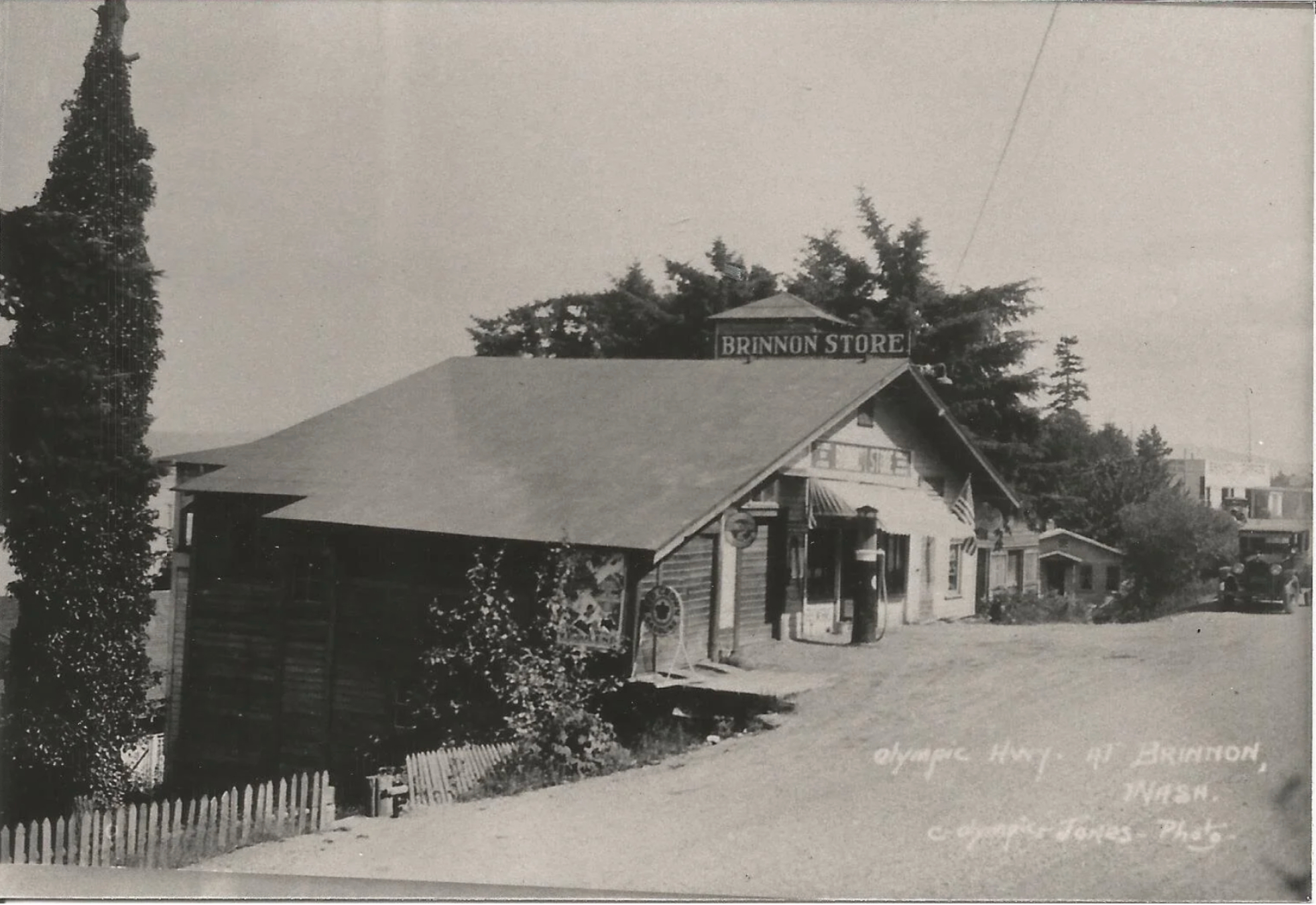
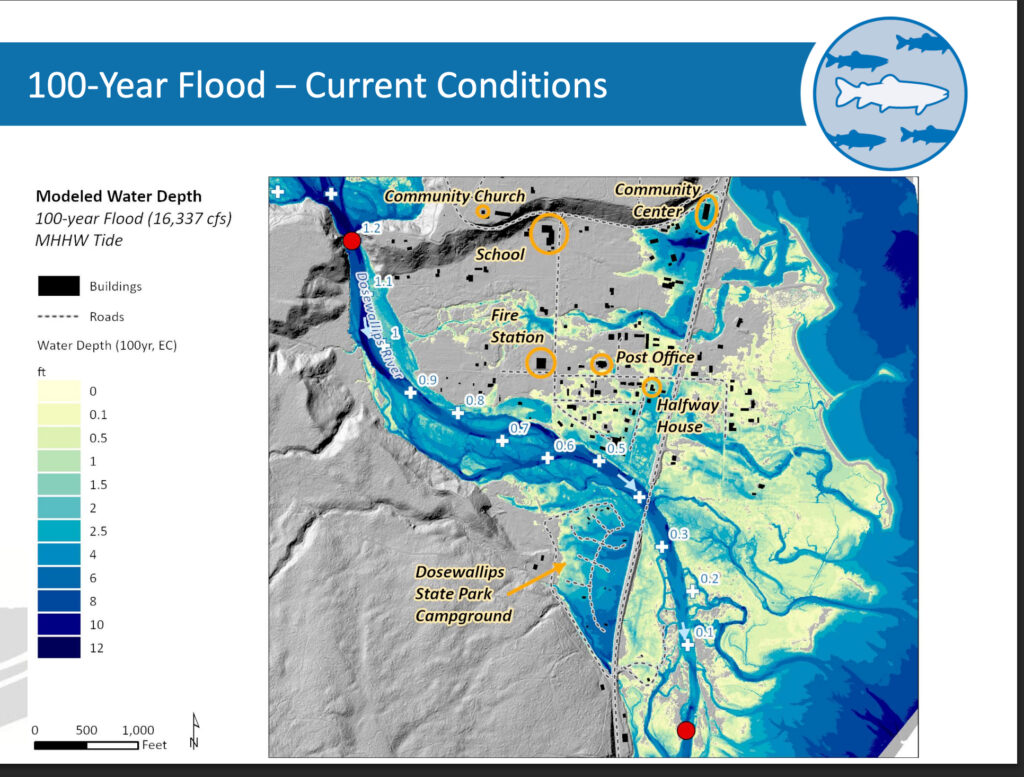
Brinnon residents have a 45-year history of planning for their rural community’s future. Recent efforts by the South County Task Force are focused on mitigating the Dosewallips River floodplain, a significant impediment to growth in Brinnon.
BrinnonInfo is a central source for understanding the unique challenges facing Brinnon.
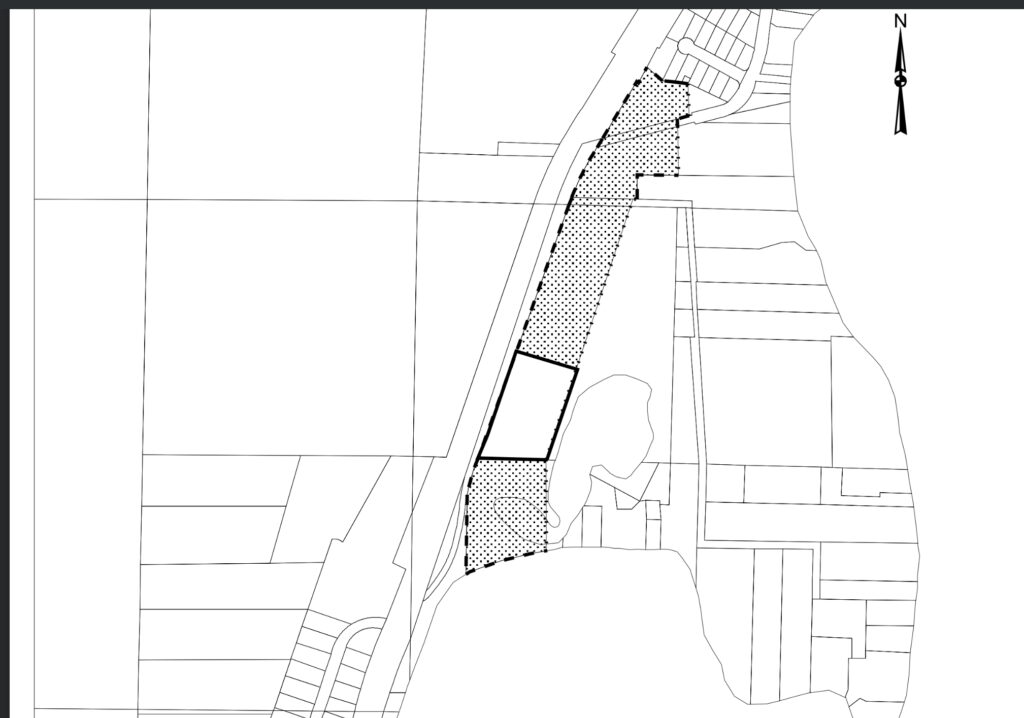
SEE MAPS BELOW
South County Task Force meets on the first Tuesday of each month at 5:00 pm at the Brinnon Community Center. The SCTF is dedicated to mitigating the Brinnon Flood Plain FEMA designation. To Sign Up for the South County News email list, you can share this link: https://forms.gle/snZDxn2D2rF5bu3C8 . To sign up for the SCTF Meeting Calendar Invite List, you can share this link:https://forms.gle/KFLLtiGE8qv2TVqYA
January 3, 2025: First meeting of the South County Task Force in the Brinnon Community Center.
2019: The Brinnon Group’s appeal to the Kitsap County Superior Court results in a re-draft of the development agreement to include a phased build-out and a Community Center.
2018: The Development Agreement between the county and Statesman for the MPR is approved, with two subsequent amendments. The agreement calls for 890 total units, two pools, a hockey rink, a soccer field, go-carts, racket sports, a health spa, restaurants, a pub, a Farmer’s Market, a Conference Center, 52-unit dual suites to accommodate 104 staff members, and a nine-hole golf course.
2009: Two non-profit corporations, The Brinnon Group and Brinnon MPR Opposition, unsuccessfully appeal the MPR on environmental grounds.
2008: 220 acres on Black Point, a 710-acre peninsula within the Brinnon planning area, is zoned for a Master Planned Resort (MPR) after the county completed a programmatic Environmental Impact Statement, and The Statesman Group of Companies applied for an MPR. The Growth Management Hearings Board required the EIS following the Better Brinnon Coalition’s successful appeal. The county lists “30 conditions” for the Statesman Group to meet to enter into a development agreement.
2006: Statesman Group of Companies, a Canadian developer, applies for a site-specific 251-acre Master Plan Resort (MPR) on Black Point, within the Brinnon Planning area.
2002: The Brinnon Subarea Plan is approved. The plan increases the 34-acre “interim” RVC (Brinnon flats) to 66 acres and establishes an 18.7-acre Small-Scale Recreational and Tourist Overlay District (SRT) at WaWa Point.
The plan states:
“The primary vision continues to be of a community that encompasses a rural, lightly populated area; an appropriate evolution of employment opportunities that replaces traditional—but no longer viable—occupations such as logging, mining, and fishing; and the quality of life in beautiful, natural, rural surroundings that residents desire and expect.
“While the intent of this document provides a framework for the Brinnon community to retain its much-cherished rural character, at the same time, the community must support economic development that allows the creation of new businesses and the modernization, expansion, or relocation of existing homes and small businesses. This is essential to provide the opportunities necessary for children and working adults who choose to work and live here, while also meeting the community’s changing needs to allow this remote rural area to thrive and flourish.”
2001: The Better Brinnon Coalition (BBC), a nonprofit formed by Brinnon residents, appeals elements of the draft plan to the SEPA Hearings Examiner and the Western Washington Growth Management Hearings Board. Both appeals are successful, and the Master Planned Resort (MPR) proposal from Chuck Finnila is removed from the draft subarea plan. It has been determined that any commercial development on Black Point must undergo environmental review. Additionally, the proposed Light Industrial District is non-compliant.
1999: The county applied for a Community Development Block Grant to hire a professional planner to assist Brinnon residents in planning. A group of a dozen or more Brinnon residents met twice a week for two and a half years to produce a subarea plan, with guidance from the Planning Commission, the Department of Community Development, and, later, the professional planner hired through the approved Block Grant.
1995: During the 1994-95 process to update the 1982 Community Plan, the first such plan for Brinnon, the Planning Committee gathered survey results and comments to create a community profile. The central theme among residents was the importance of preserving Brinnon’s rural character. As before, respondents favored the development or improvement of single-family residences, convenience stores, retail and service businesses, agricultural and/or aquaculture production, marina operations and boat launches, and the expansion of parks and other public areas. Respondents leaned towards preserving the environment, moderate growth, suggestions for multi-family or assisted-care housing for seniors, and increased convenience. Citizens also requested support services for retirees and individuals with disabilities, and for commuters; services for recreational users such as hikers and divers, including inns; and encouragement of recreation, tourism, and small, job-creating industry.
1991: Jefferson County began public outreach for its Growth Management Act (GMA) comprehensive planning phase. Many Brinnon residents participated, expressing their desires for Brinnon’s future. An independent survey funded by Jefferson County and conducted by EDAW, Inc., an international planning consultancy in cooperation with BROUDAW, produced results like those of the 1979 survey.
1979: A team of Brinnon residents developed and distributed an opinion survey to all residents and property owners. The purpose of the survey was to establish a profile of the community and, most importantly, to determine the community’s general attitude. While there were mixed opinions on most issues, respondents overwhelmingly agreed that the area should retain its rural characteristics and atmosphere, and that the community should develop the goals and policies necessary to sustain that way of life.